“The only man I envy is the man who has not yet been to Africa – for he has so much to look forward to.”
Richard Mullin
19.485 km2 of wilderness. Home to 3,000 crocodiles, over 5,000 giraffes, 150,000 impalas, almost 3,000 lions, 27,000 African buffalos, over 11,000 elephants and many other species including the endangered white and black rhino as well as leopards and wilddogs. Every safari enthusiast speaks about the famous Kruger National Park. But why going there ? We’ll answer you this question and tell you how to make the most of your trip.
Spot the Big 5
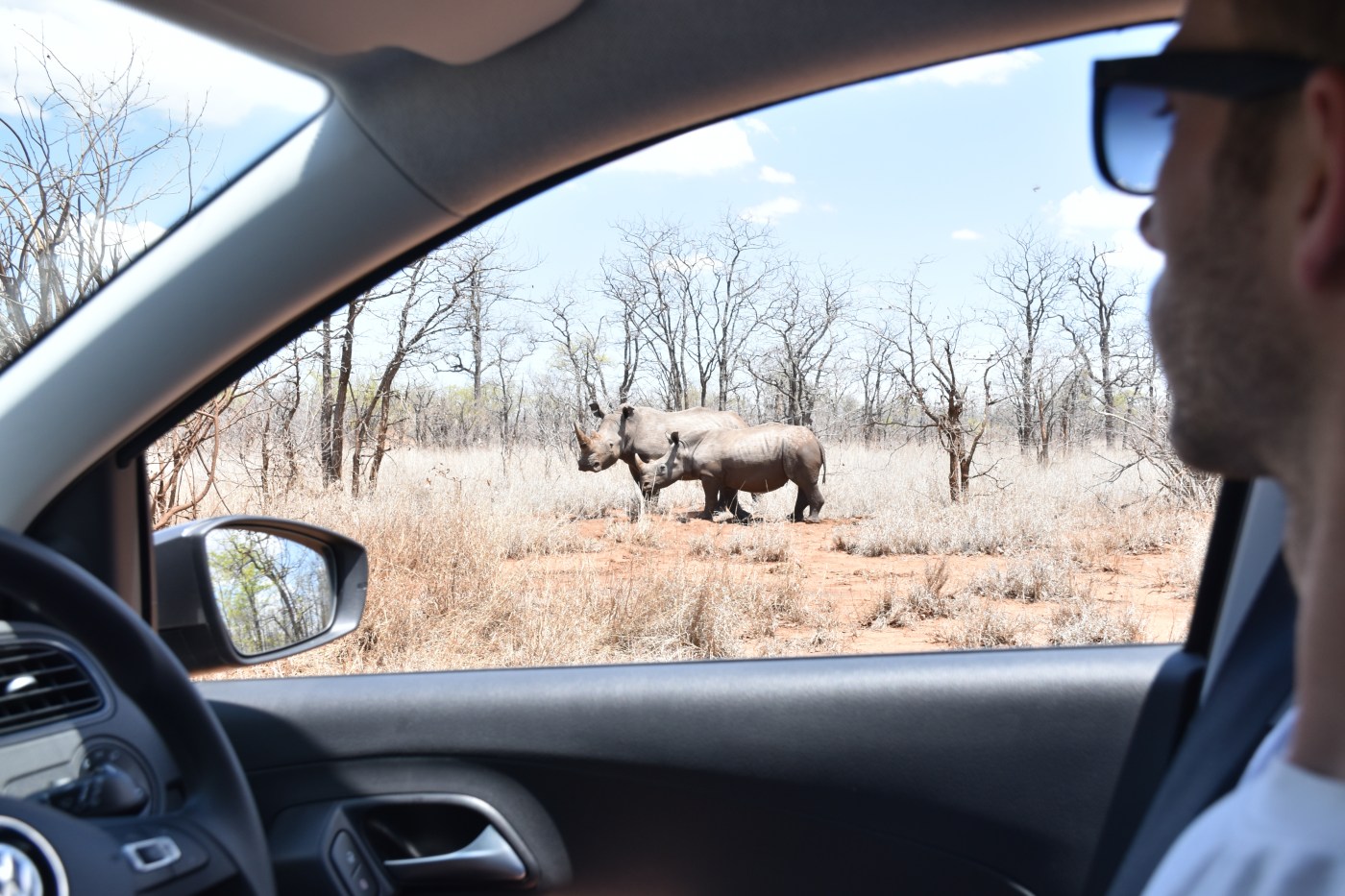
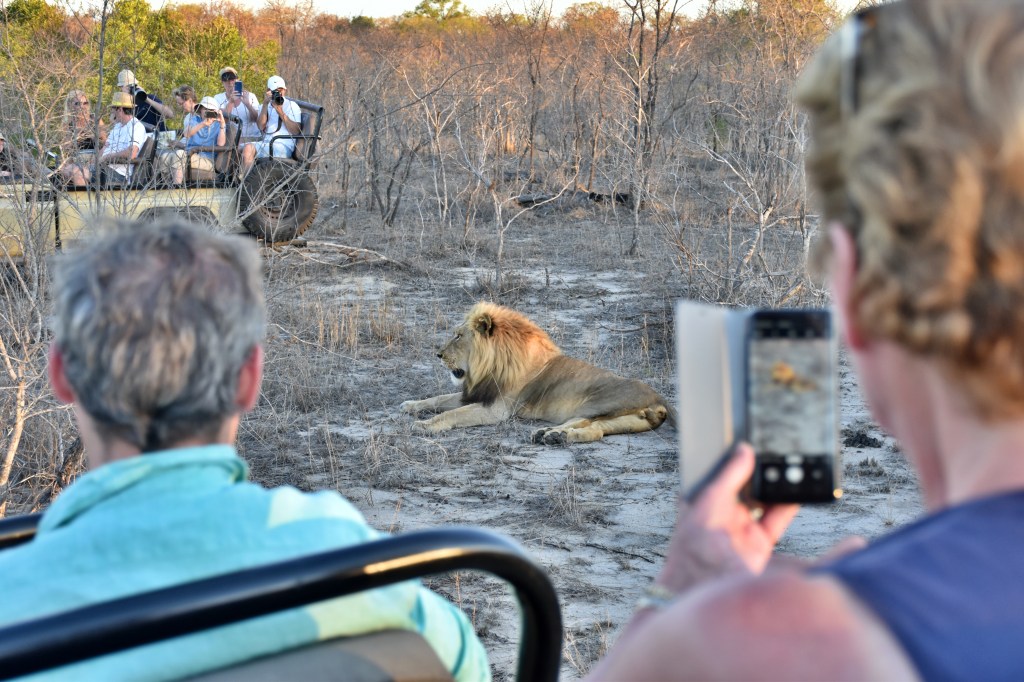
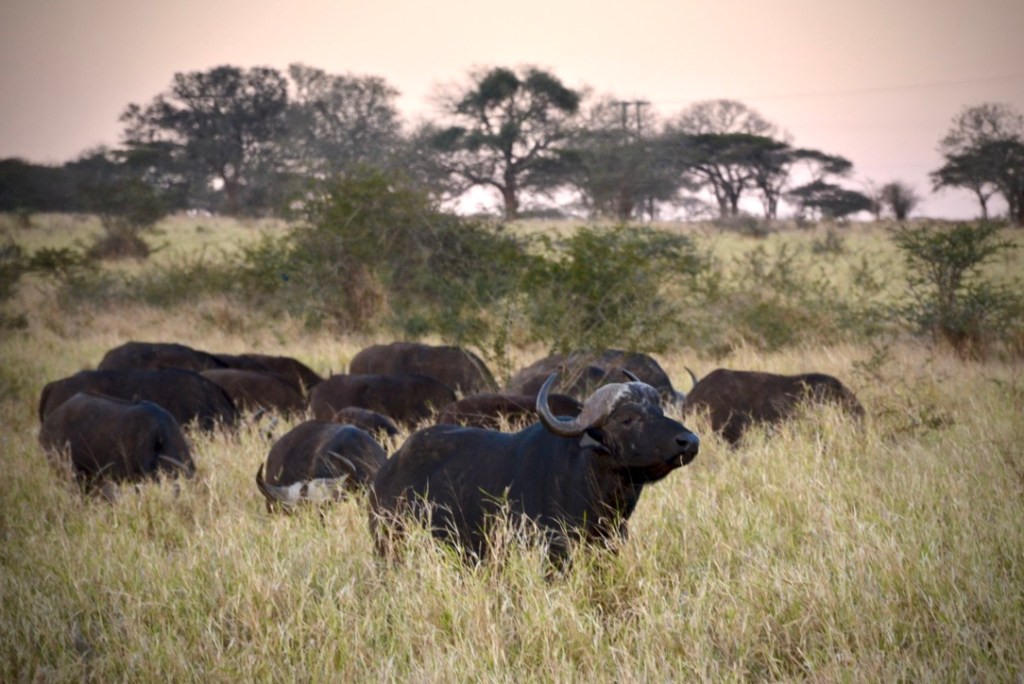
Many tourists visit the park in order to find the Big 5 – the 5 most dangerous animals to hunt, which are the lion, leopard, African elephant, rhino and Cape buffalo. Each species has its preferred residieren within the parl. So if you’re looking for lions, visit the area of Skukuza and Satara. From Skukuza to Lower Sabie, there might be a great chance to see leopards. When you want to see white rhinos, make your way to Malelane and Skukuza.
Drive off road
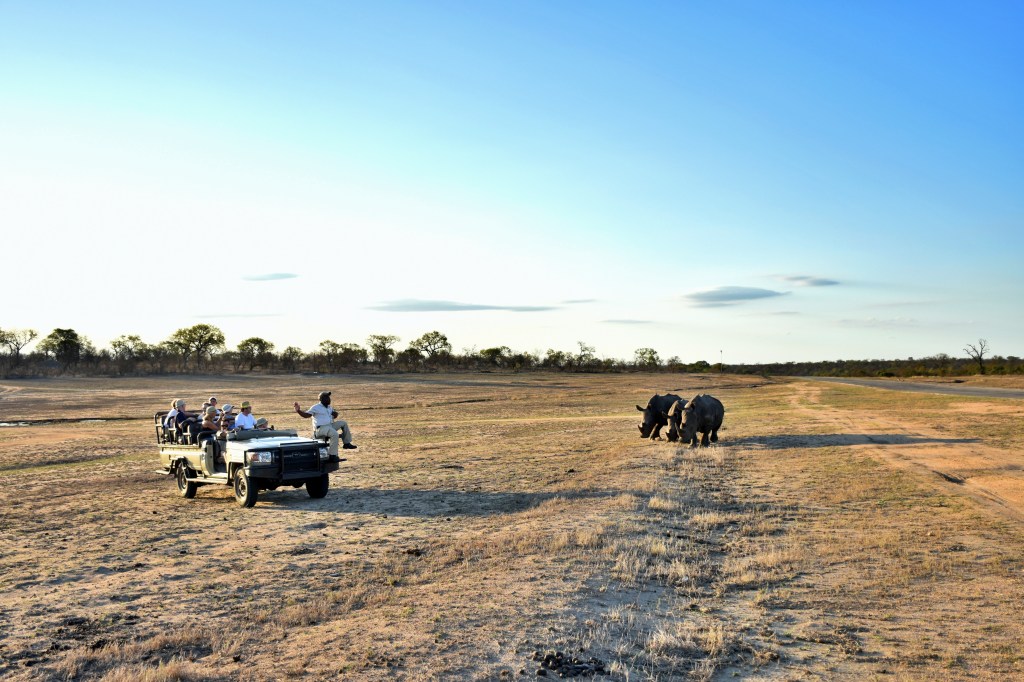
The Kruger National Park is open to the public meaning you can take your own car and take a self-drive on the pathed streets. The entrance fee of about 15 EUR. Careful about the opening hours! You will run into animals most probably, however, there is a high risk that you have to park behind 50 other vehicles to get a glimpse of the sight. We are speaking from our own experience when we say it is a lot more enjoyable and sustainable to join a professional safari within the park. When you stay in a lodge in one of the private concessions of the park you’ll drive in an open roof 4×4 vehicle, you learn about the animals, you’ll track them off the pathed roads and the impact on the animals is reduced to a minimum. It might not be as expensive as you think and you will go back with a much better experience than you every dreamt off. Find out more about the different types of reserves in our previous post.
Enjoy an autumn safari
There is no wrong time to visit Kruger National Park and drive around on safari, but there are different things to expect in each season. African winters (May – September) are considered to be the best time to go on a safari: vegetation is low so you’ll find plenty of animals, the weather is kind of warm (around 20 degrees during the day) and it doesn’t rain meaning no Malaria (yay). On the contrary, African summers (October – April) offer a geourgeos landscape and plenty of babies, especially in spring. However, the risk of Malaria is high and animals are harder to spot. Our favorite time is between October and November when the rain season only started, the weather is great (around 25 degrees and little chance of rain) and the vegetation is still low so that you can see plenty of animals and their babies.
Take a shuttle or fly to Nelspruit
Traffic on the WRONG side. Potwholes in the streets. Swearing taxi drivers. High accident rates. Driving a car in South Africa is not a walk in the park. So we’d recommend you to fly into Johannesburg and book a private shuttle service (your lodge can help you out to chose the best operator or even pick you up at the airport in Johannesburg). The trip from Joburg to Kruger National Park takes between 5 and 7 hours, depending on your final destination. Another possibility which is more expensive but less time-consuming is to take a smaller plane from Johannesburg or Cape Town to Nelspruit. From there it’s only a 1-2 hours drive into the Kruger National Park.
Make it an extended weekend get-away
As all the other questions are answered, let’s talk about serious business. How many days is the perfect Kruger National Park trip? Even though you can spend days and weeks spotting animals, we think that 3-4 days in the bush are the ideal period. You’ll have enough time to explore the flora and fauna of the bush while you don’t need to slaughter your piggy bank.
All recommendations are based on our own experience. Irrespectively if you follow them or not, a visit to Kruger National Park is an experience that will stay with you forever.
 Byond Traveling